Key takeaways
- Subscriptions monetize loyalty; shoppable content monetizes intent—you want both.
- Pricing, cadence, and onboarding matter more than “exclusive content” volume.
- Eligibility, payouts, and cancellation flows are policy-driven—check Meta’s docs (1), (2) before promising anything.
- See Fast answers in FAQ section for what they are and how to set them up
What Instagram Subscriptions actually are (and what they’re not)
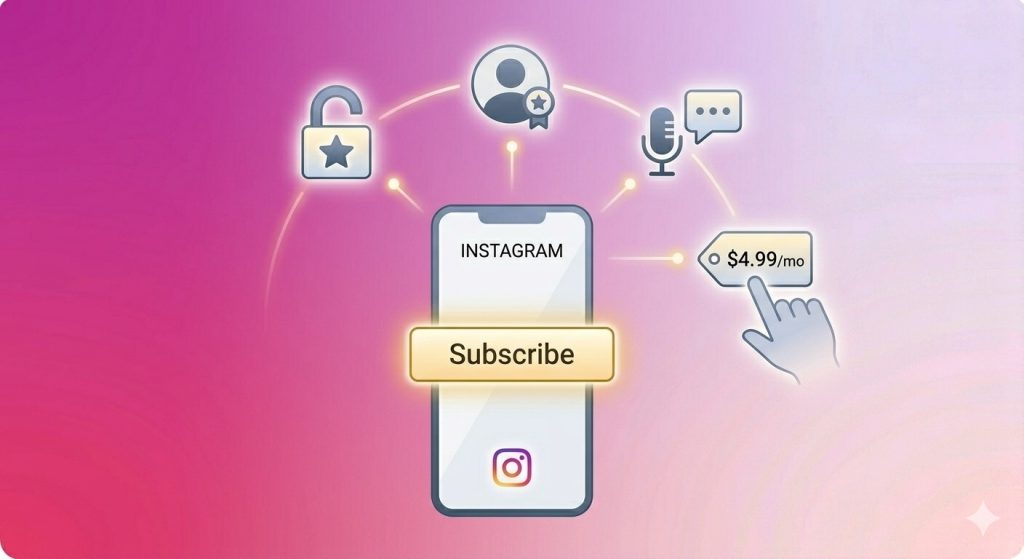
Instagram Subscriptions are Instagram’s native monthly subscription product: followers tap a subscribe button on your instagram profile, pay a monthly fee via in-app purchase, and then get access to subscriber-only content and experiences. Meta positions it as recurring income for creators, with recognizable UX markers like a subscriber badge and subscriber-only surfaces such as stories and lives. The reason this works, when it works, is conversion psychology: it turns “I like your content” into “I’m committed to your world,” which changes how people respond to offers, recommendations, and partnerships. Check out more on Official overviews and feature descriptions live.
It’s also important to name what Subscriptions are not, because this is where experienced teams lose months. Subscriptions are not the same as Close Friends; Close Friends is access control, but it’s not a billing product and doesn’t create a subscription setting, payout workflow, or subscription content governance. Subscriptions are also not “badges/gifts” monetization, and they’re not a direct replacement for Patreon—Patreon is an owned membership business with more control over tiers, content libraries, and community tooling. Instagram subscriptions are a native layer inside the Instagram app that trades control for distribution, convenience, and lower friction to subscribe.
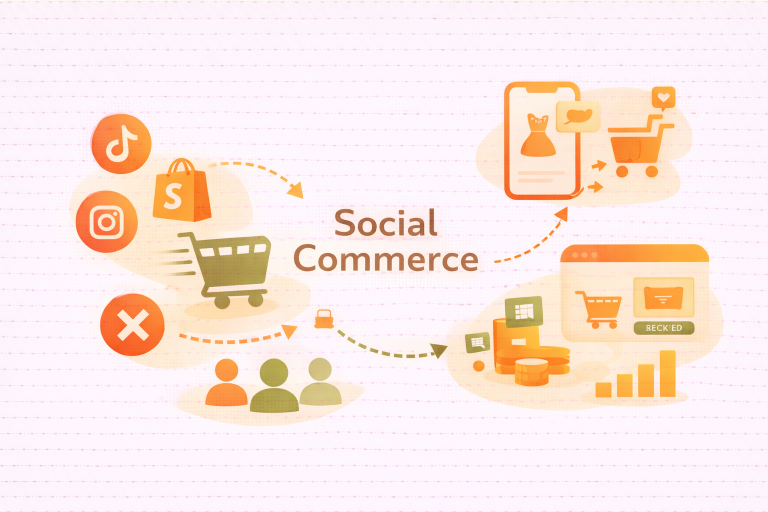
And if you’re a Shopify business thinking, “This is just for creators,” the better framing is: Instagram subscriptions are a retention mechanism inside your social channel, but they don’t replace your ecommerce site’s conversion system. They produce recurring monthly income, but most of your revenue still lives (and should live) in the storefront and checkout, where you can optimize product discovery and reduce bounce. That’s why the best Instagram-first brands treat subscriptions as a loyalty product and treat Shoppable Social for eCommerce as the conversion engine that monetizes attention at scale.
Where Subscriptions show up in the customer journey
Subscriptions show up in the most emotionally “warm” moments of the Instagram journey: someone has already chosen to follow, they recognize your niche, and they’ve signaled intent through repeat engagement. Instagram gives subscribers visible and invisible reinforcement loops—visible through the badge and subscriber rings, and invisible through the fact that subscriber-only content creates habit and identity (“I’m one of the insiders”). Meta’s own announcement calls out subscriber badges and the idea of recurring monthly income, which is a useful reminder that this is designed as a product, not a one-off feature.
Where creators often misfire is treating subscriptions like a paywall for their existing content instead of a distinct value exchange. If your subscriber posts look identical to your public reels and instagram stories, you’ve basically asked people to pay for something they already have. The fix is to design a ladder: public content drives discovery and trust, subscription content delivers access and depth, and your ecommerce funnel (if you sell products) captures purchase intent with shoppable instagram experiences that move people cleanly to checkout.
This is also where “Instagram niches” becomes more than a growth tactic—it’s a subscription strategy. Subscriptions require a stable promise: what you stand for, what you teach, what you drop early, what community access you unlock. The tighter your niche, the easier it is to choose subscription formats that feel inevitable rather than forced.
Eligibility, requirements, and the unglamorous reason creators get stuck
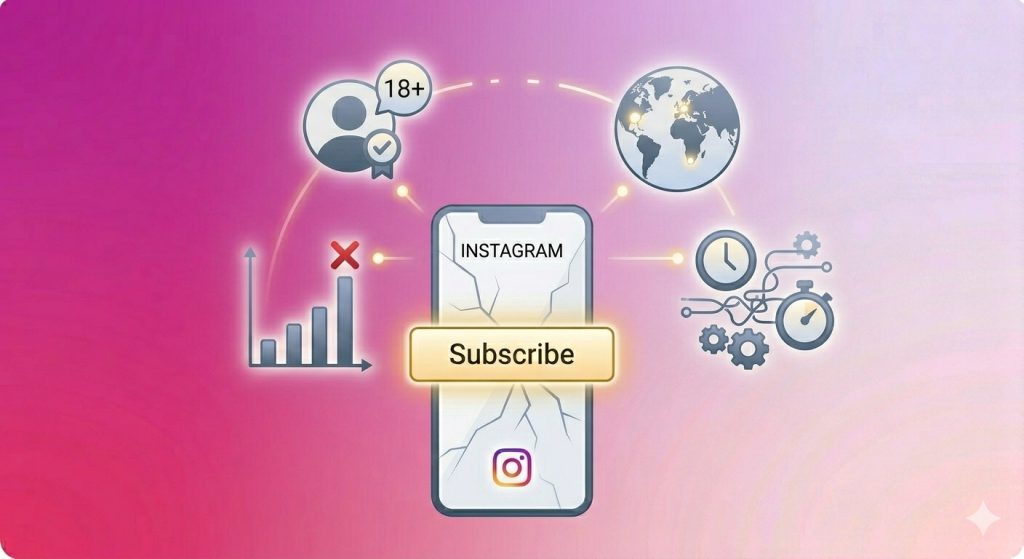
Creators usually experience eligibility as a confusing absence: the option simply isn’t there in the professional dashboard. Instagram’s official eligibility pages matter because requirements can vary by region and evolve over time, and the platform explicitly ties monetization to account standing and policy compliance. Start here for the current eligibility view.
Some Meta Business documentation has historically referenced thresholds like having a professional account and a follower minimum (commonly cited as 10,000) alongside age and terms acceptance, which is why people repeat that number in creator circles. The operational point isn’t the exact number—it’s that subscriptions are a privilege product gated by account health and compliance, and you should design your roadmap so your monetization isn’t hostage to a single feature toggle.
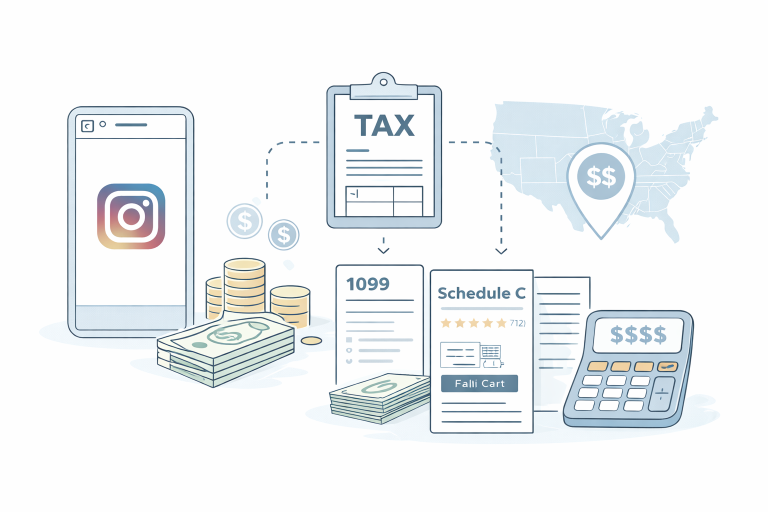
Policy compliance is also where “Instagram Tax creators” shows up in the real world. When you move from brand deals on instagram and affiliate links into platform-native payouts, you inherit payout setup, reporting, and the realities of taxes and documentation. Instagram’s payout help pages are explicit that payouts require meeting monetization policies and setting up payout accounts.
How Subscriptions work for subscribers (including where to find them)
From the subscriber side, Subscriptions are intentionally simple: tap subscribe, confirm the monthly subscription, and the app unlocks subscriber-only surfaces across that creator’s account. Subscribers can also manage or cancel inside Instagram, which matters because churn is part of the product whether you plan for it or not. Meta’s help content covers unsubscribe flows and management steps, including the fact that people can cancel in-app.
If you’re trying to answer “How do I find my Subscriptions on Instagram?” the platform directs people into subscription management areas inside the app experience (the exact path can differ by device and updates). Meta’s help pages for managing subscriptions are the most reliable reference for the current UX.
The practical lesson: build a cancellation-resistant experience, not a cancellation-proof one. People cancel because they forget why they joined, because the cadence breaks, or because the value is unclear relative to the monthly price. Your job is to make the value obvious in the first week, reinforce it every week, and make re-subscribing feel welcoming rather than awkward.
Creator setup: the difference between “enabled” and “launched”
Enabling subscriptions is a workflow; launching subscriptions is a product rollout. Instagram provides setup steps through monetization settings, including choosing a monthly price and publishing your subscription.
What separates creators who get traction from creators who quietly churn out is onboarding. The first moments after someone becomes a new subscriber are when their brain asks: “Did I make a good decision?” If the answer is unclear, they cancel. So you treat your onboarding like a mini customer journey: a welcome message, a pinned “start here” subscriber post, and a clear schedule for the next two weeks.
This is also where broadcast channels can complement subscriptions—not as “more content,” but as a lighter-weight community surface that reinforces connection between drops. Broadcast channels are designed as one-to-many communication inside Meta’s ecosystem, which can be useful for guiding subscribers to the moments that matter. (Meta has documented and promoted broadcast-channel style updates, though specific features evolve.)
What content works best (exclusive content that actually earns retention)
Subscriber retention doesn’t come from volume; it comes from specificity. The best subscription content tends to fall into three buckets: access, depth, and status. Access is behind-the-scenes, early drops, or subscriber-only lives and live streams. Depth is tutorials, templates, critiques, “why this works” breakdowns, and longer-form context than reels can carry. Status is the badge, recognition, and the feeling of being part of a smaller room.
When creators struggle, it’s usually because they choose a content type that can’t sustain a cadence. Daily exclusive posts burn people out; sporadic subscriber stories cause churn; random stickers and subscriber posts without a narrative feel like filler. A simple weekly rhythm is often enough: one subscriber-only story set, one subscriber live, one subscriber post, and one high-value “exclusive content” drop—especially if it ties directly to your niche.
If you’re also a Shopify brand, this is where shoppable content becomes the bridge. Subscription content can deepen trust, but it’s still the ecommerce site and checkout where product revenue is captured. The subscription should feed the storefront with high-intent moments: “shop the drop,” “shop the look,” or “subscriber-only bundle,” supported by Shoppable UGC that removes doubt.
Pricing strategy: monthly price, price points, and the real risk of choosing wrong
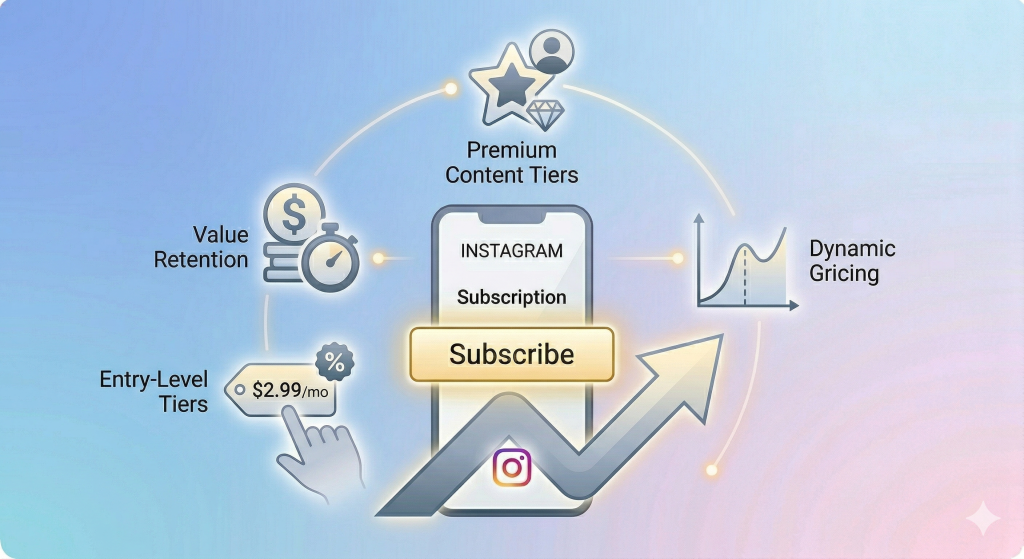
Instagram allows creators to set a monthly subscription fee, but the right monthly price is less about the number and more about whether the value is legible. Pricing fails in two directions: too low and the subscriber expects “nice extras” but you can’t justify the time, or too high and the subscriber expects a full Patreon-level library and community infrastructure. Either mismatch causes cancellation.
Two trust realities matter here. First, fees on in-app purchases can apply through Apple and Google, and Instagram’s own pricing help content has referenced platform fees and how billing is handled. Second, you should avoid promising net payouts without checking the current terms in your region, because policies and app store rules change.
A good strategy for experienced creators is to pick price points that match your content workload and your audience’s willingness to pay, then treat changes as an event. When you raise the monthly subscription, you don’t “announce” it like a tax—you explain what’s improving, why it’s improving, and how existing subscribers are treated. That’s trust-building, not revenue-chasing.
Instagram vs. TikTok monetization: why subscriptions feel different than reach-based payouts
Instagram monetization is increasingly a mix of direct and indirect revenue: subscriptions, affiliate, brand deals, and commerce conversions. TikTok monetization has its own programs and requirements, and its official support pages describe available monetization features and the Creator Rewards Program as the current successor to older funds in some regions.
The strategic difference is that subscriptions are retention-first. They reward consistency and relationship depth more than algorithmic spikes. That makes them a strong hedge against the volatility of “How instagram algorithm works” debates, because you’re not relying solely on reach to pay the bills. Your public reels can still drive discovery, but your monthly income isn’t entirely hostage to the feed.
This is also why “Instagram vs. Tiktok Monetization” comparisons often mislead creators. TikTok can be extraordinary for discovery; Instagram can be extraordinary for conversion and retention—especially when you combine subscriptions with Instagram shopping integrations and a Shopify storefront that’s engineered for fast checkout.
Turning subscription loyalty into Shopify conversions (and where Foursixty fits)
If you’re an Instagram business with Shopify, the highest leverage move is to treat Instagram as a discovery-and-trust engine and Shopify as the conversion engine, then reduce the gap between them. This is where “Link shopify to instagram” is foundational: you want product tagging, catalog connection, and clean handoffs so people can move from shoppable Instagram to ecommerce site without friction. (Exact setup is typically managed through Meta commerce tooling and Shopify’s channel integrations, which change over time.)
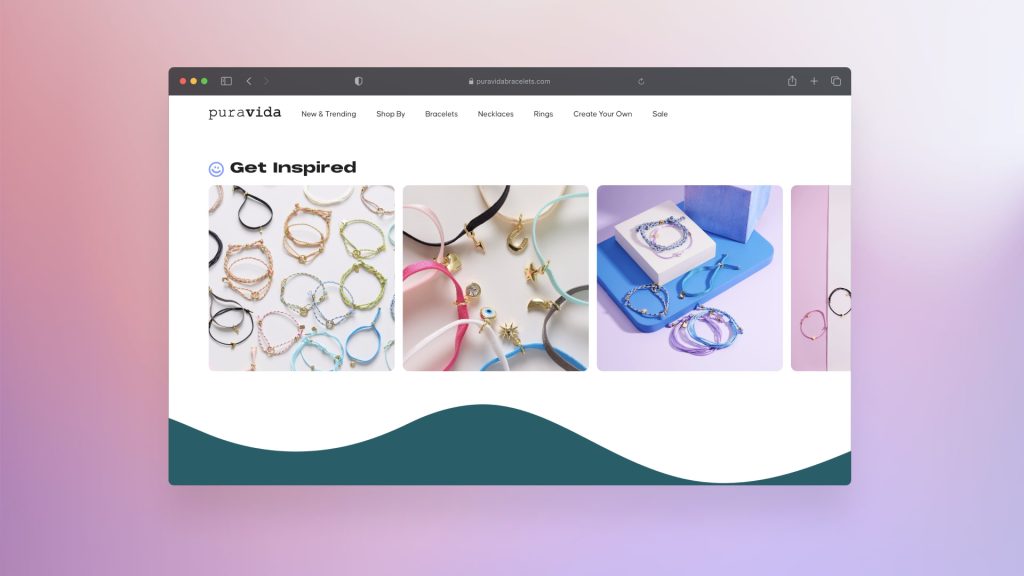
But once you’ve linked the systems, the real question becomes: what happens when the customer lands? Most social traffic isn’t ready for a sterile product grid; it needs context, social proof, and confidence. That’s the role of Shoppable UGC and shoppable galleries—turning authentic UGC examples on Instagram into product discovery modules that sit near decision points on the ecommerce website.
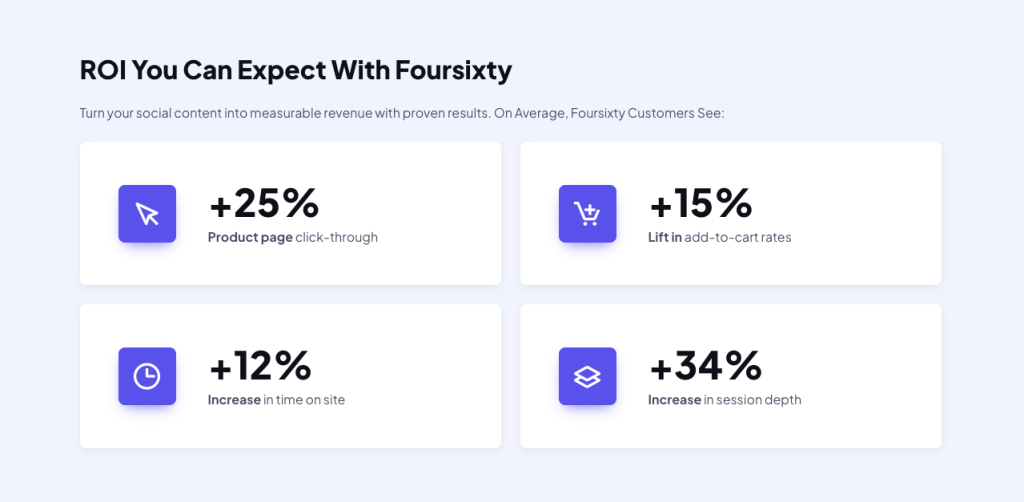
This is exactly what the Foursixty case studies demonstrate: using UGC and shoppable instagram posts feeds to push users deeper into the site, lower bounce, and increase conversion behavior.
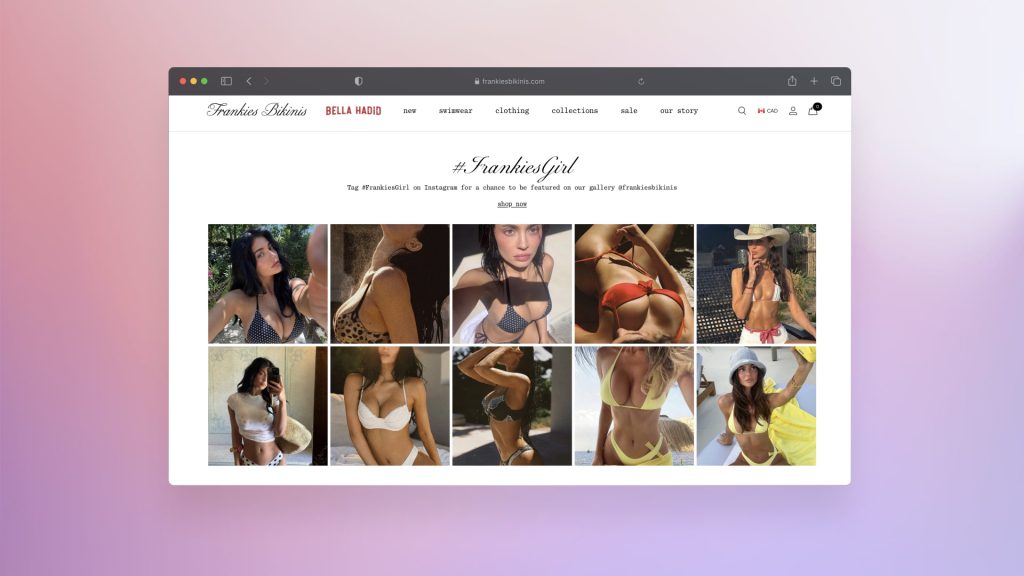
For Shopify brands, the takeaway is system-level: subscriptions improve retention and deepen loyalty, while shoppable content improves conversion at checkout. Foursixty supports Instagram-driven Shopify businesses by turning social proof into a storefront conversion layer—often one of the most practical “shopify apps to increase sales” moves when social is a primary acquisition channel.
Policies, monetization rules, and why trust is the real moat
Paid content creates new failure modes. If you violate content monetization policies, your eligibility can be impacted; if your subscriber-only content feels misleading, cancellations spike; if you blur sponsorship disclosure inside subscriber content, you can damage trust fast. Instagram’s content monetization policies are the baseline reference and should be treated as required reading for anyone building subscription revenue.
Trust also means operational clarity: how cancellation works, how people manage their monthly subscription, and what subscribers should expect. Instagram’s help content includes unsubscribe flows and management steps, and creators should mirror that clarity in their own onboarding and FAQ.
Finally, trust extends to money. If you talk about payouts, be careful with certainty—payout timing and requirements can vary, and platform rules evolve. Instagram’s payout help content emphasizes meeting monetization policies and setting up payout accounts, which is the correct anchor for any “monthly income” claims.
FAQs (3+ sentences each)
Fast answers (what most people want to know)
What are Instagram Subscriptions?
A built-in Instagram feature that lets eligible creators charge a monthly fee for subscriber-only content (like exclusive Stories, Lives, and posts) inside the Instagram app.
Who can use it?
Only eligible accounts in supported regions that meet Meta’s requirements and are in good standing. Eligibility can change, so check Meta’s latest guidance.
How do subscribers join/cancel?
Subscribers tap Subscribe on a creator’s profile and manage/cancel in-app. Official cancellation guidance
How much does it cost?
Creators choose from Instagram’s available price points. Billing is handled as an in-app purchase and app store fees may apply depending on platform/region.
How do creators set it up?
If eligible, creators enable it in monetization settings, choose a monthly price, and publish, see more with this guide.
What should creators avoid promising?
Anything policy-driven (eligibility, payout timing, net earnings). Always confirm with Meta’s docs.
How do I find my Subscriptions on Instagram?
In the Instagram app, subscription management is handled inside Instagram’s subscription management experiences, and the exact navigation can change with updates. Meta’s help documentation for managing subscriptions is the safest reference for the current in-app path and what you can control.
How much are Instagram Subscriptions?
Creators choose the monthly price for their subscriptions from the available price points in Instagram’s subscription settings. The amount a subscriber pays is a monthly subscription (subscription fee) that renews unless canceled, and app-store fees may apply because it’s an in-app purchase. Instagram’s pricing help content also notes that Apple and Google deduct fees on in-app purchases (which affects creators’ net economics).
How many followers do you need for an Instagram Subscription?
Eligibility depends on account type, region, policy compliance, and Meta’s current gating rules. Some Meta Business documentation has historically referenced a professional account and a follower threshold (commonly 10,000), but creators should treat that as “policy-driven and subject to change,” not a permanent rule. The best practice is to check the official eligibility page for your account and region.
How do I get a Subscription on Instagram?
First, your instagram account typically needs to be set as a professional/creator account and be in good standing with content monetization policies. If you’re eligible, you can enable subscriptions through monetization settings (often surfaced in the professional dashboard), choose your monthly price, and publish. Instagram’s official setup guidance is here.
How Do Instagram Subscriptions Work?
A follower taps the subscribe button on your profile, pays a monthly subscription fee, and then gains access to subscriber-only content like exclusive stories and subscriber lives (depending on what you publish). Subscribers are usually identifiable via a subscriber badge, which helps creators prioritize community engagement.
Do Content Creators Really Make Money On Instagram?
Yes, but it’s rarely one stream—most creators blend subscriptions, partnerships (brand deals on instagram), affiliate, and commerce conversions. Instagram’s own systems tie payouts to meeting monetization policies and setting up payout details, which is a reminder that “making money” is operational, not just creative. For the platform’s payout requirements, start here.
What Kind of Subscriber-Only Content Should You Create to Keep Followers Engaged?
Subscriber retention usually comes from repeatable value, not constant novelty. Strong patterns include exclusive content series, behind-the-scenes stories, subscriber-only lives/AMAs, early access drops, and subscriber posts that go deeper than public reels. If you’re also selling products, pair subscription content with shoppable content moments (“shop the drop”) so subscribers can take action without friction.
Can someone be “subscribed” to your Instagram story without following you?
Subscriptions and following are related but not identical concepts in how people think about access. In practice, subscriptions are a paid relationship surfaced on a creator’s account and content, and Instagram emphasizes subscriptions as a way to support creators with a monthly subscription fee. The safest guidance is to rely on Instagram’s official subscription definitions rather than assume every edge case behaves like “follow = required.”
What distinguishes Instagram Subscriptions from other platform monetization strategies?
Instagram subscriptions are retention monetization: recurring monthly income in exchange for exclusive access inside the Instagram app. That differs from reach-based monetization (which depends on algorithmic distribution) and from external memberships like Patreon (which offer more control but less native distribution). Instagram also frames subscriptions as a built-in tool with subscriber badges and in-app billing, which changes friction and behavior.
How do Instagram Subscriptions affect influencer partnerships and collaborations?
Subscriptions can strengthen partnerships because they signal audience loyalty and predictability, not just reach. Brands often care about “who listens” as much as “how many follow,” and subscriber-only content can create premium inventory for collaborations when disclosed properly. The risk is misalignment: if subscriber content becomes ad-heavy or unclear about sponsorships, cancellations rise and trust drops—so disclosures and value design matter.
Can I cancel an Instagram Subscription anytime?
Instagram’s help content describes the in-app cancellation flow: you can go to the creator’s profile, tap Subscribed, manage, and then cancel subscription. The exact labels can vary, but the principle is that subscribers control cancellation from within Instagram.
Are there any benefits to subscribing to someone’s Instagram account?
Yes—if you value deeper access, more direct interaction, and content that isn’t available publicly. Subscribing can also be a way to support a creator you rely on for education, entertainment, or community. The benefit is strongest when the creator has a clear subscription promise and consistent delivery cadence.
What benefits do followers receive from subscribing to an Instagram account?
Followers who subscribe get a more “insider” experience: subscriber-only content, exclusive lives, and often more direct interaction. They also get a clearer path to community features and updates, which can include broadcast-style updates depending on how the creator runs their community. The key is that the benefits should be specific and repeatable, not vague “exclusive content” with no schedule.