For most of the last decade, brands treated social media as a discovery engine — a place to capture attention before redirecting users back to an ecommerce storefront. That model is rapidly disappearing. Today’s reality is social commerce, where content, trust signals, and checkout converge into one continuous experience.
Platforms like TikTok Shop, Pinterest Shopping, Facebook Shops, and YouTube Shopping have transformed social media into full shopping platforms capable of supporting in-feed shopping, live shopping, and creator-driven selling experiences. According to Statista and eMarketer data, social commerce GMV continues to grow faster than traditional e-commerce categories, driven by mobile commerce adoption and discovery-driven shopping behavior among younger audiences.
This shift forces brands to rethink strategy. Instead of “posting content,” they must build shoppable Social media systems that connect shoppable content, creator-led commerce, PDP optimization, and revenue attribution. Infrastructure tools like Foursixty have emerged as essential connectors, allowing brands to aggregate shoppable UGC, deploy shoppable galleries across storefronts, and align social proof in ecommerce with measurable conversion outcomes.
What Is Social Commerce?
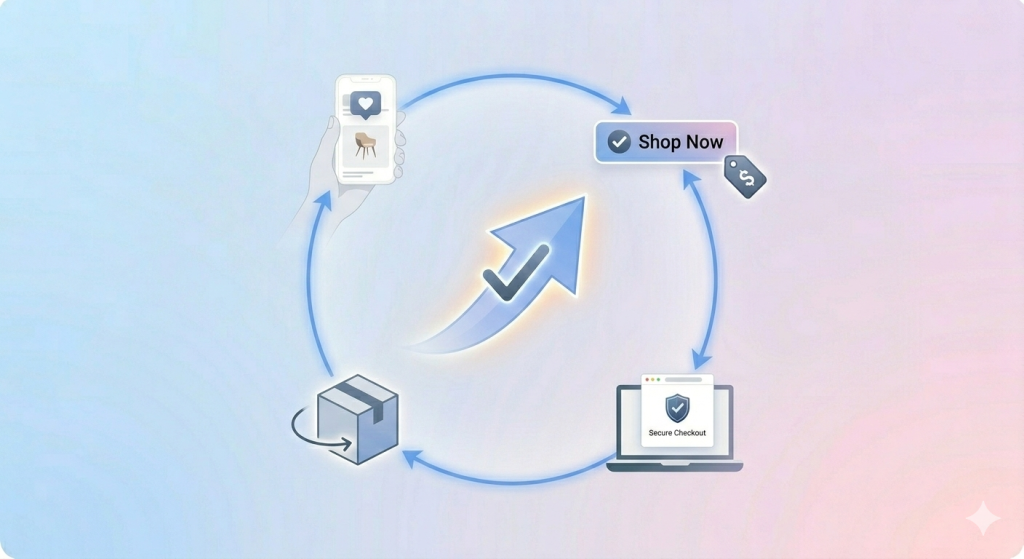
Social commerce is the integration of commerce directly into social media environments, allowing customers to discover, evaluate, and purchase products without leaving the platform. It blends content consumption with transactional intent, collapsing the engagement-to-purchase funnel into a single experience.
Social Commerce vs Ecommerce
Traditional ecommerce platforms like Shopify or BigCommerce rely heavily on intent-based traffic — search queries, navigation paths, or retargeting ads. Social commerce, by contrast, thrives on algorithmic discovery where products are surfaced through behavioral signals rather than explicit searches.
This shift changes how brands think about PDP content. Instead of static product descriptions, successful brands integrate shoppable videos, creator testimonials, and shoppable galleries directly into product pages to reinforce trust signals in commerce.
Social Commerce vs Social Media Marketing
Social media marketing historically focused on reach, impressions, and follower growth. Social commerce focuses on measurable outcomes — conversion rate optimization (CRO), average order value (AOV), and social commerce ROI.
The psychology of selling evolves from brand messaging to peer validation. Social proof psychology becomes the core mechanism driving purchases.
Why Social Commerce Is Growing
Several macro trends explain the acceleration:
- Discovery-driven shopping behaviors replacing search-led buying.
- In-app shopping reducing friction through native checkout.
- Community-driven brands leveraging influencers as sales channels.
- Platform monetization policies incentivizing creator-led commerce.
As mobile commerce becomes dominant, brands must design content experiences that feel native to social environments rather than repurposed advertisements.
What Is TikTok Shop?
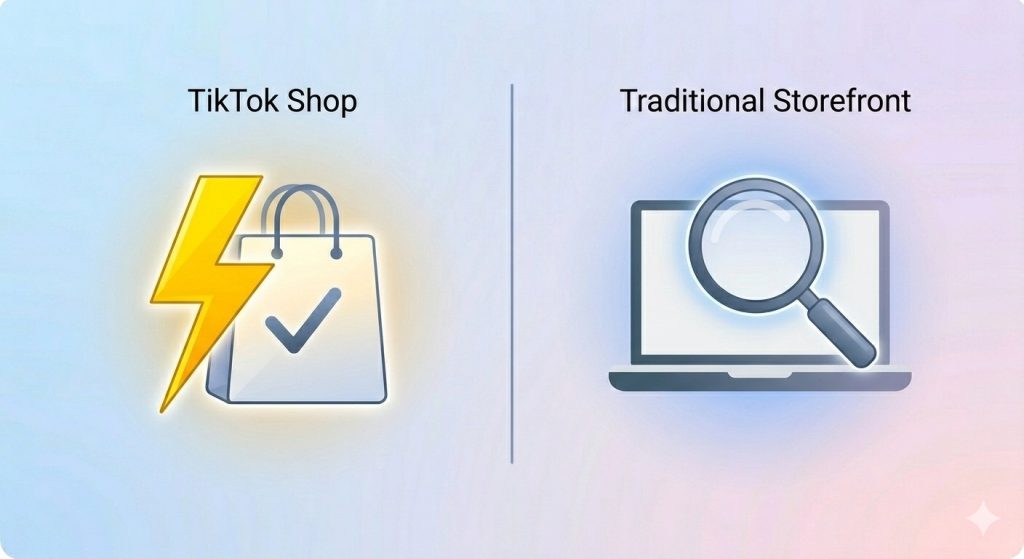
TikTok Shop is a native commerce feature allowing brands and creators to sell products directly within TikTok via in-feed shopping, livestream commerce, and creator affiliate programs.
How TikTok Shop Works
TikTok Shop integrates multiple commerce formats into a unified experience:
- In-feed shopping: Products tagged directly in shoppable videos.
- Live shopping: Real-time livestream sales events leveraging urgency and community engagement.
- Creator affiliate program: Influencers earn commission by promoting products.
- In-app checkout: Users complete purchases without leaving the app.
From a system perspective, TikTok Shop reduces friction at every stage of the engagement-to-purchase funnel.
Who Should Use TikTok Shop?
TikTok monetization performs especially well for:
- DTC brands selling visually driven or impulse-friendly products.
- Beauty and fashion categories leveraging creator storytelling.
- Brands targeting younger audiences comfortable with in-app shopping.
- New sellers seeking discovery through algorithmic reach rather than paid acquisition.
TikTok Shop Fees & Requirements
TikTok Shop sellers must register through Seller Center, verify business information, and comply with platform monetization policies. Requirements typically include:
- Verified TikTok account with phone number authentication.
- Product catalog setup.
- Commission structures for affiliate partnerships.
- Platform fees tied to transactions and promotions.
Why TikTok Shop Is Fueling the Next Wave of Social Commerce
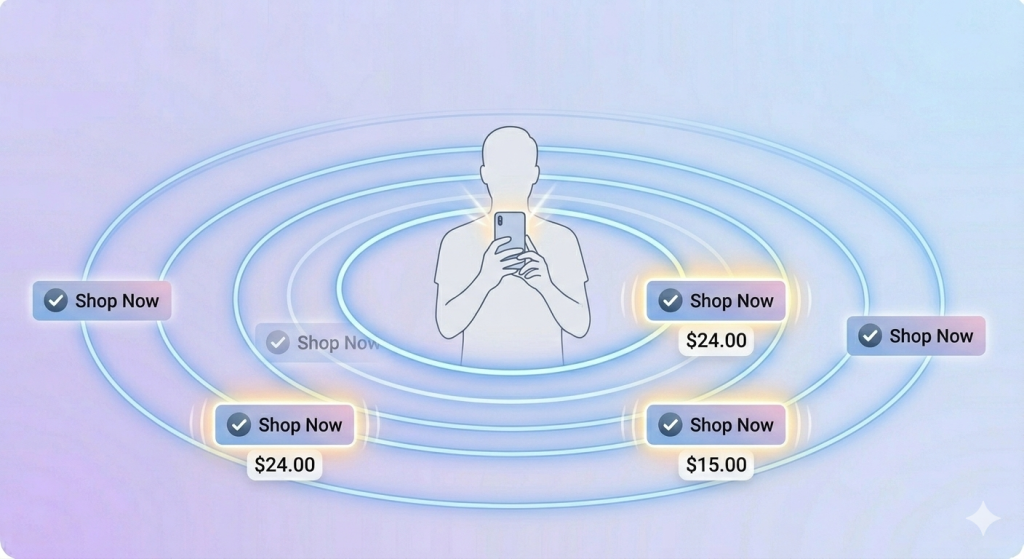
Algorithm-Driven Product Discovery
TikTok’s recommendation engine prioritizes engagement rather than follower size. This levels the playing field for smaller brands while amplifying creator-led commerce opportunities.
Creator-Led Selling
Creator-led commerce transforms influencers into sales channels rather than awareness partners. Authentic storytelling becomes a powerful trust signal, influencing purchasing behavior more effectively than traditional ads.
Live Commerce & Urgency
Live shopping leverages real-time interaction, creating urgency similar to flash sales or Black Friday events. The combination of scarcity and social validation drives rapid conversions.
Native Checkout = Reduced Friction
Native checkout eliminates redirection barriers, increasing conversion rates by keeping customers inside familiar environments.
The Hidden Challenge of TikTok Shop (Where Most Brands Struggle)
Despite rapid growth, many brands fail to scale TikTok Shop effectively because they treat it as a marketing tactic rather than operational infrastructure.
Scaling UGC Consistently
Generating authentic shoppable UGC at scale requires structured creator pipelines and strong UGC moderation processes.
Managing Creator Content
Without centralized systems, brands lose track of assets, making it difficult to reuse content across channels like Instagram monetization, YouTube Shopping, or website PDP optimization.
Connecting Social Content to Owned Channels
Brands often fail to convert social media content into website PDP content or shoppable galleries, losing long-term SEO value and trust signals.
Tracking Conversion Attribution
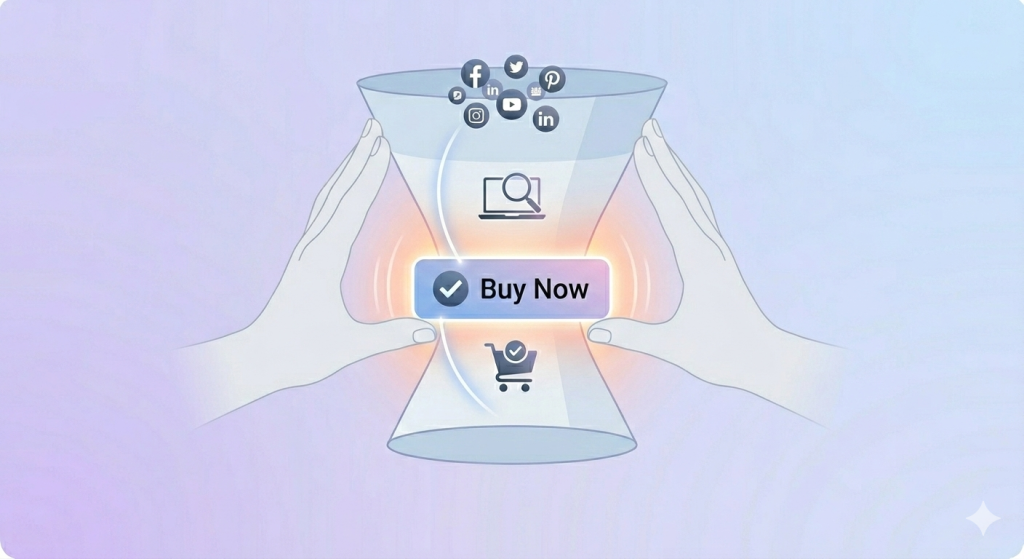
Revenue attribution becomes complex when users move between TikTok, Instagram Shop monetization flows, and website storefronts.
This is where infrastructure becomes essential. Platforms like Foursixty allow brands to centralize UGC, build shoppable galleries, and deploy shoppable posts across Shopify environments, bridging the gap between social discovery and owned commerce assets.
How to Build a Social Commerce Strategy That Converts
Effective social commerce requires system-level thinking.
First, brands must capture authentic content at scale. Creator-led commerce depends on consistent storytelling rather than one-off campaigns. Second, make content shoppable everywhere — across social platforms, PDP content modules, and homepage experiences.
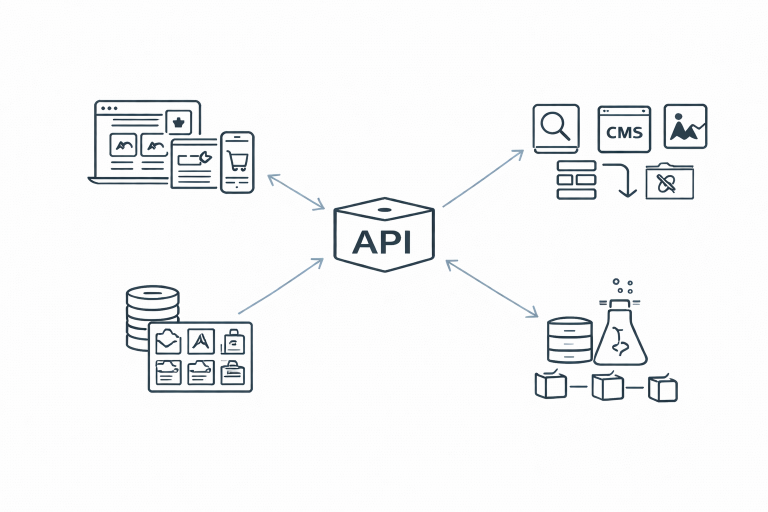
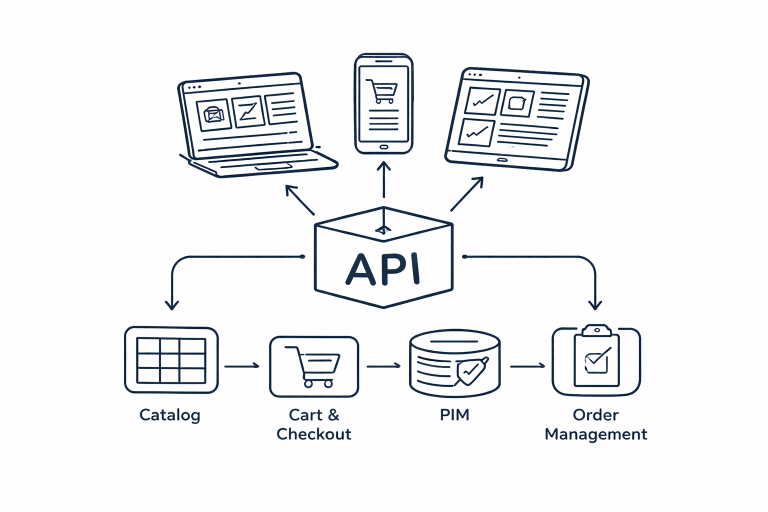
Third, sync product catalogs across TikTok Shop, Facebook Shops, and Pinterest Shopping through API-driven commerce workflows. Fourth, optimize for conversion rather than views by aligning PDP optimization with social proof psychology.
Finally, measure performance holistically through revenue attribution models that capture omnichannel commerce behavior.
TikTok Shop vs Traditional Ecommerce (Shopify Storefronts)
| Factor | TikTok Shop | Traditional Shopify Store |
| Customer Data Ownership | Limited | Full control |
| Conversion Rates | High impulse conversion | Higher retention potential |
| Brand Control | Platform-driven | Fully customizable |
| Margin Impact | Platform fees | Payment processing fees |
| Long-Term Asset | Limited ownership | SEO + owned audience |
The strongest brands combine both approaches, using TikTok for discovery and owned storefronts for long-term value.
How Brands Use Foursixty to Power Social Commerce Beyond TikTok Shop
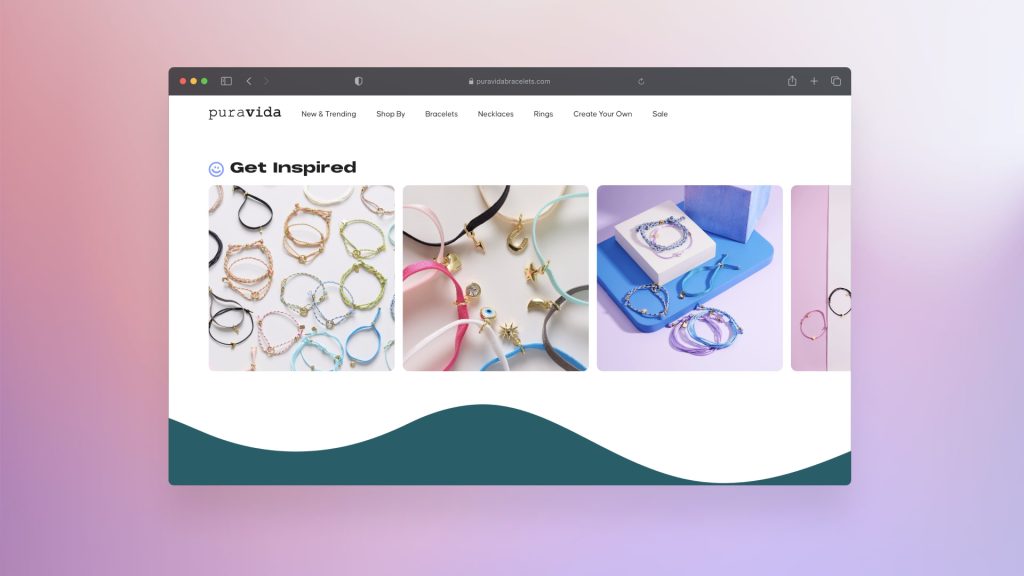
Brands like Pura Vida, Frankies Bikinis, and Michi demonstrate how shoppable social for ecommerce extends beyond single platforms. Instead of relying solely on in-app sales, they integrate shoppable content across owned channels.
For example:
- Frankies Bikinis increased conversion through shoppable galleries embedded in PDP layouts.
- Pura Vida used aggregated shoppable UGC to increase average order value and strengthen social proof in ecommerce.
- Michi leveraged omnichannel commerce workflows to unify creator content across platforms.
Foursixty enables:
- UGC aggregation and moderation.
- Shoppable galleries tied to product listings.
- Social proof widgets driving CRO.
- API-driven commerce integration with Shopify.
Is TikTok Shop Right for Your Brand?
Consider these factors:
- Product price range suited for impulse buying.
- Audience alignment with TikTok users.
- Capacity to produce ongoing creator content.
- Margin tolerance for platform commissions.
- Internal ability to manage shoppable videos and partnerships.
The Future of Social Commerce
The next phase of social commerce will blend AI-driven discovery with creator storefront ecosystems. Headless commerce architectures will allow brands to deploy social shopping experiences across channels without rebuilding infrastructure. Live commerce will expand beyond events into everyday purchasing behaviors.
Brands that invest early in scalable infrastructure will outperform competitors relying on fragmented social media workflows.
Ready to Turn Social Engagement into Revenue?
Social commerce success comes from treating content as infrastructure, not just marketing output. By integrating shoppable content examples, creator-led commerce strategies, and measurable CRO workflows, brands can transform engagement into sustainable revenue growth.
If you want to explore how leading Shopify brands scale shoppable UGC across TikTok Shop, Instagram, and website storefronts, consider booking a demo with Foursixty to see how social commerce infrastructure connects discovery, trust, and checkout into one system.
FAQs
How do I access a Facebook shop?
You access a Facebook shop through your Facebook business page once commerce features are enabled via Meta Commerce Manager. Users can navigate through the shop tab or click tagged products inside shoppable posts. Brands manage product catalog settings within commerce manager.
Is it free to have a Facebook shop?
Setting up Facebook Shops is typically free, though transaction and advertising costs may apply. Businesses should factor in platform fees, ad spend, and operational costs like UGC moderation.
How do I start a shop on Facebook?
Create a Facebook business page, connect an ecommerce platform like Shopify, and configure your product catalog inside commerce manager. Once approved, you can add products and enable shoppable posts.
What is the difference between Facebook Marketplace and Facebook shop?
Marketplace focuses on peer-to-peer selling, while Facebook Shops provides branded storefront experiences integrated into social commerce ecosystems.
What Are Facebook Shops?
Facebook Shops are native storefronts allowing brands to sell physical products directly through social media interfaces.
Are there any fees or costs for enabling Facebook Shops for my BigCommerce store?
Integration itself may be free, but costs include transaction fees, ad spend, and platform-related expenses.
Can we talk about how terrible Facebook Commerce Manager is?
Many operators find commerce manager complex due to fragmented interfaces and approval processes. However, understanding platform monetization policies and using structured product data significantly reduces friction.
Do this in my store Go to Meta for BigCommerce in my store Additional Resources Don’t see what you’re looking for?
Navigate to integrations inside your ecommerce platform, connect Meta channels, and follow setup prompts for catalog syncing.
How do I tag products in photos and videos?
Use an approved product catalog connected to your social accounts, then tag products during post creation.
Which E-commerce Platform Should Newbies Choose?
Shopify offers the best balance of usability and scalability, while BigCommerce suits more complex API-driven commerce needs.
How can I increase sales using Facebook Shops?
Leverage live video, shoppable galleries, and social proof psychology to increase trust signals and conversions.
How can I promote my Facebook Shop to increase sales?
Use ads manager campaigns, influencer partnerships, and consistent shoppable content strategies.
How do I set up and customize my Facebook Shop?
Configure layout, product organization, and branding inside commerce manager to mirror your storefront strategy.
How do I set up Facebook Shops to integrate with my Instagram account?
Connect your Instagram business account within Meta settings and sync the product catalog for cross-platform selling.